Aktobe
Aktobe is on the western end of the Kazakh Steppe, less than 100km from the Russian border. As the capital city of the Aktobe Region,
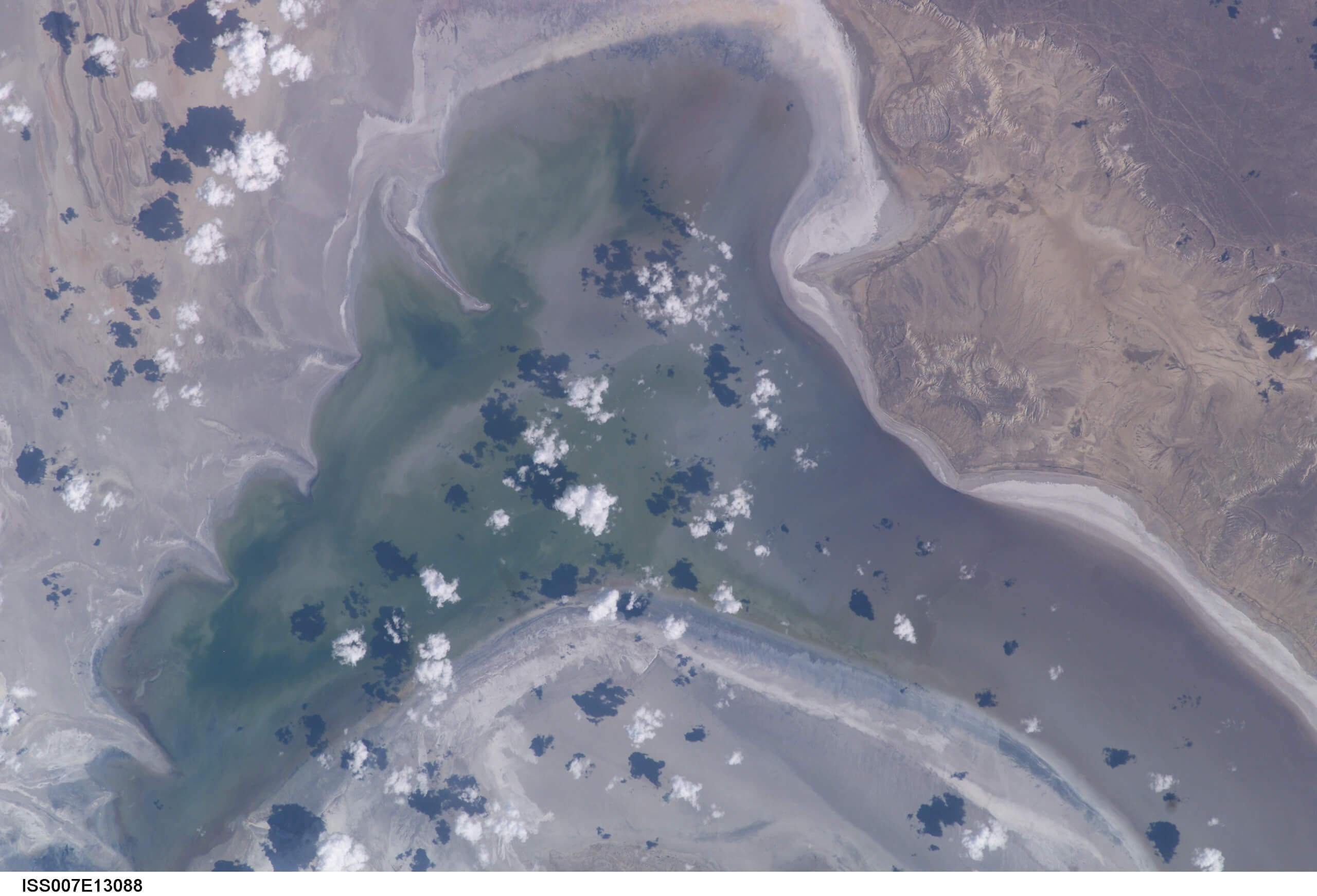
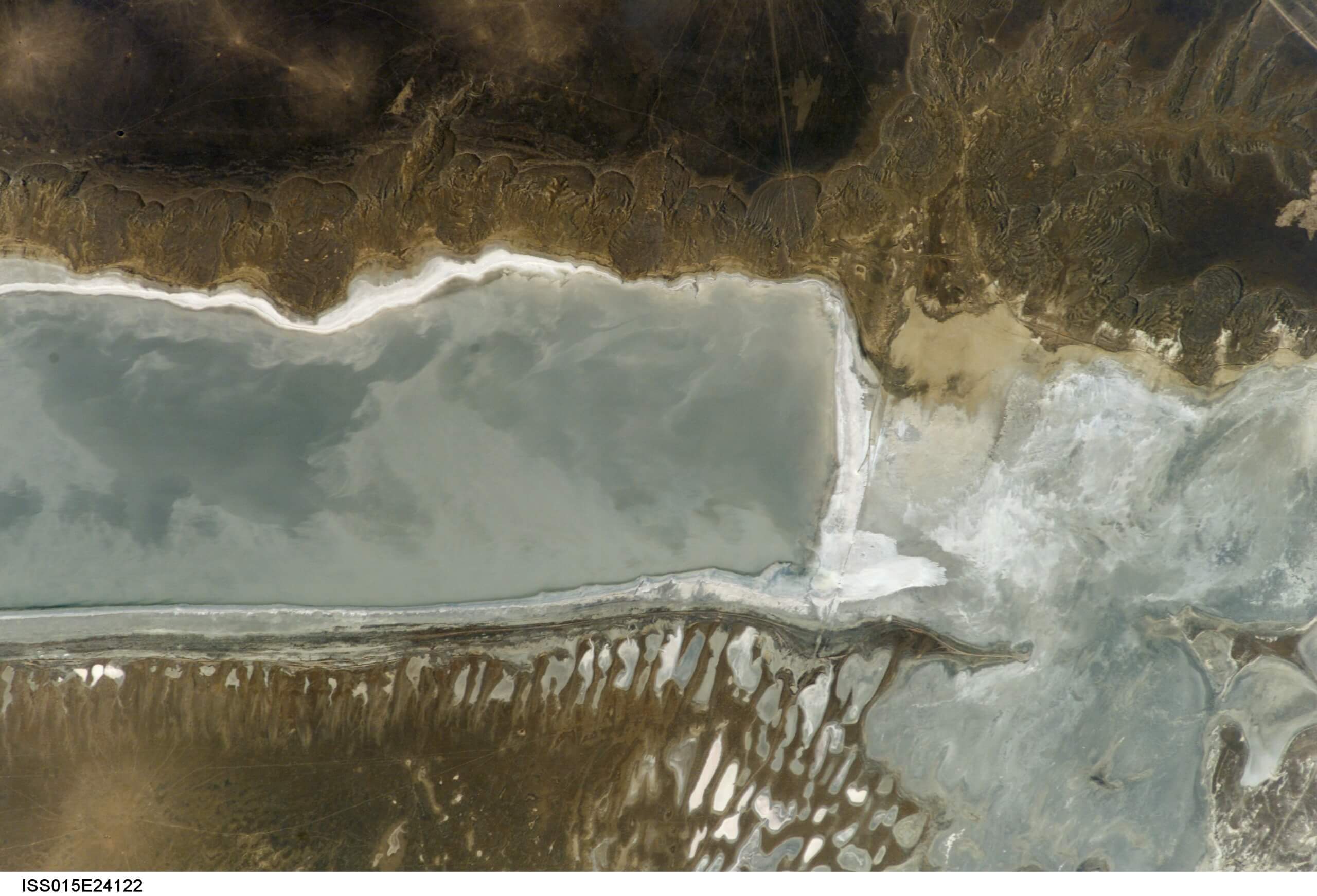
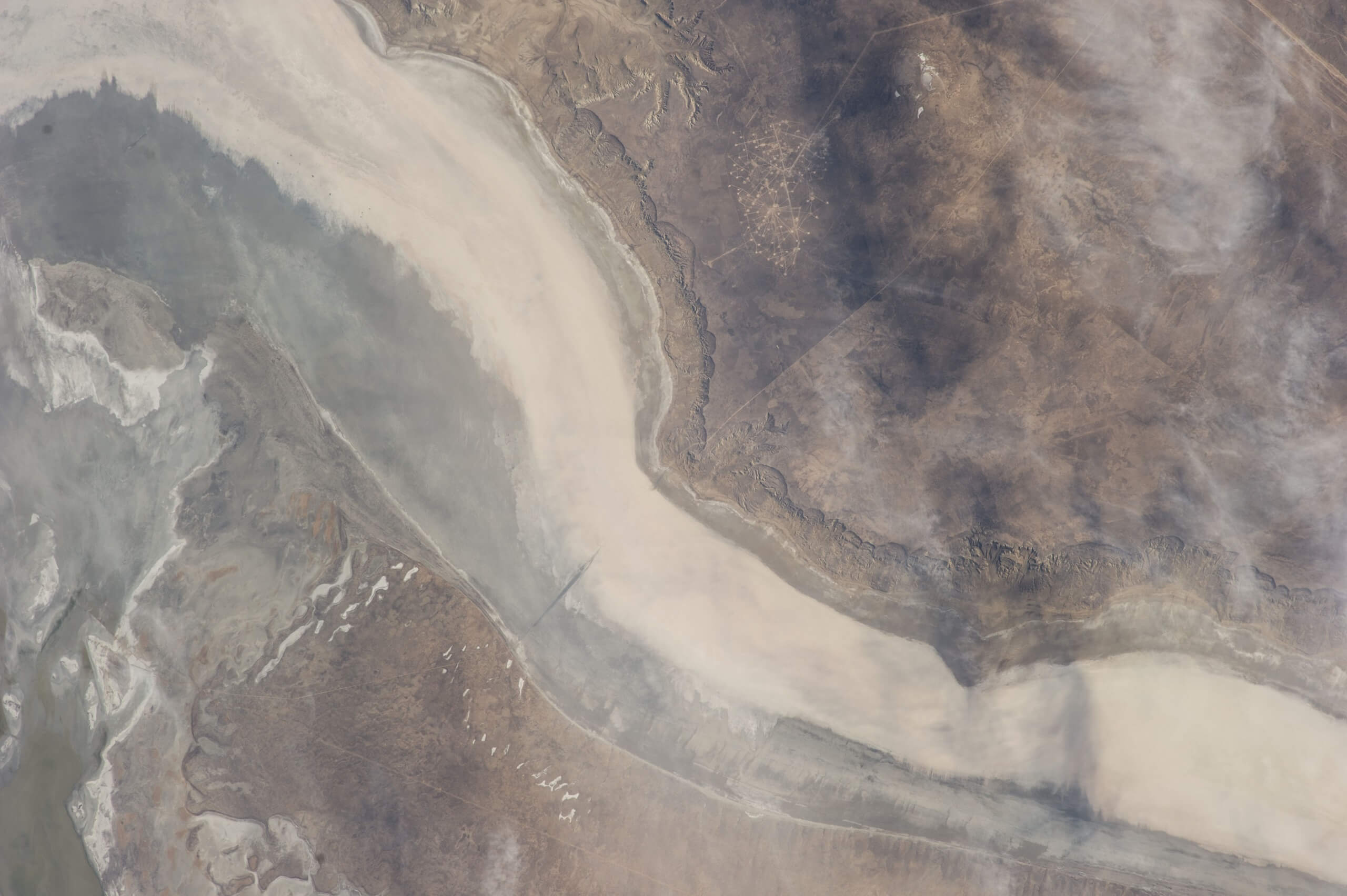
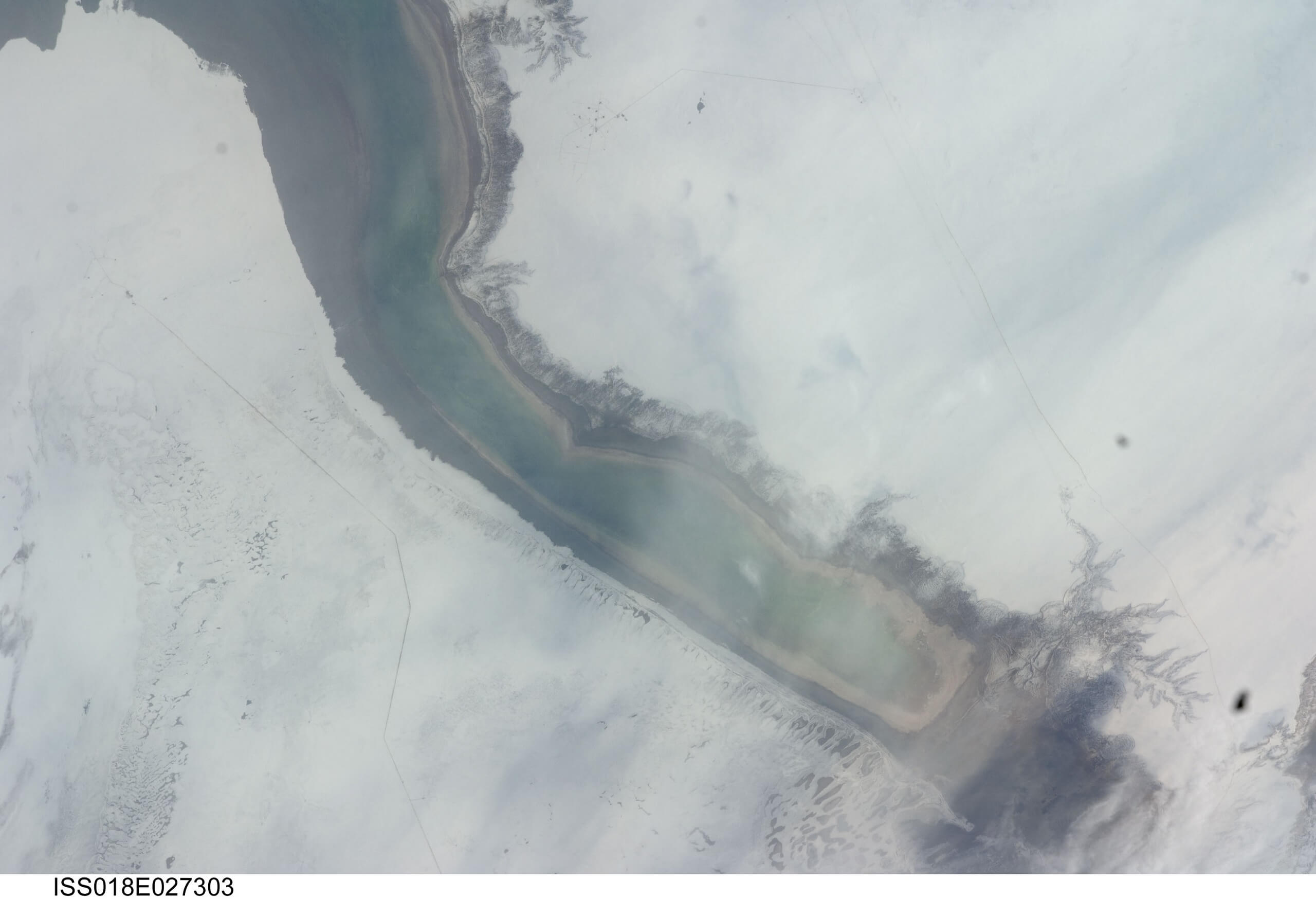
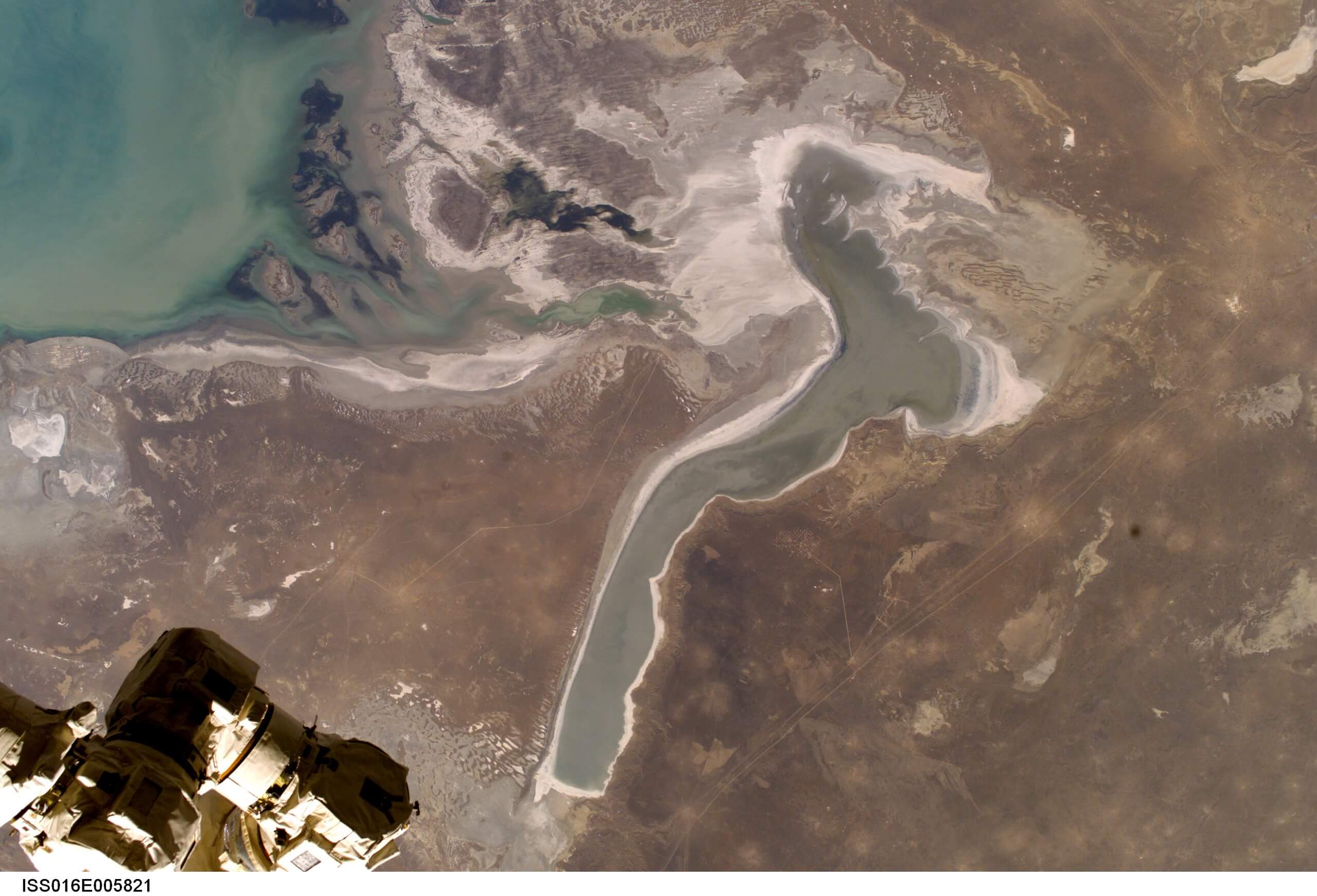
The Buzachi Peninsula’s far eastern edge overlooks the 15km x 100km Kaydak Bay salt marsh. A western branch of the bay’s shallow marshes extends more than halfway into the peninsula. Less than 200 years ago, when the Caspian Sea levels were a few metres higher, seawater covered these marshes, making the southern region of the Buzachi an isthmus linked to the Tub-Karagan Peninsula.
Depending on salinity, organisms, and water temperature, the marsh’s colours vary from grey and brown to pink and light green. Over the years, the retreating sea has led to coastal villages turning into ghost towns, like Prorva on the north side of Dead Kultuk.
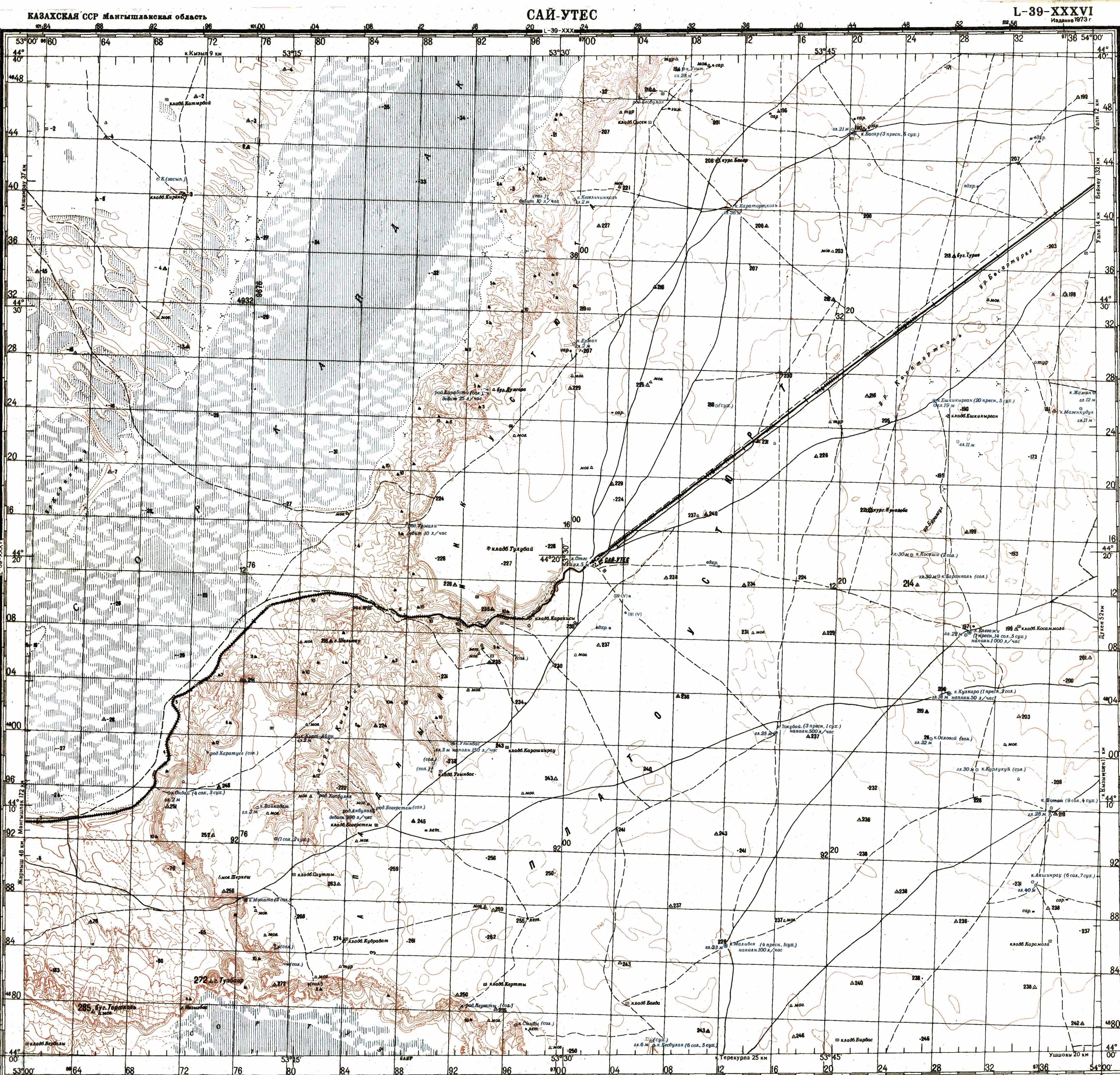
Running along the bay’s east side, from the Kyzylsay Ravine area to southern Beineu town, is the 200-kilometre-long Western Chink Ustyurt. Some sections of the cliff line rise more than 200m above Kaydak Bay, offering stunning views – New Alexander Fort is located here, too. By comparison, the west side rises only 10m above the bay and marks the beginning of the Buzachi Peninsula’s deserts.
Kaydak Bay (Qaidaq Şyğanağy/Залив Кайдак): 44.9124, 53.5524
Prorva (Прорва): 45.9893, 53.2657
Kyzylsay Ravine (Qyzylsai Saiy/Овраг Кызылсай): 44.1791, 53.2711
Beineu (Бейнеу): 45.3412, 55.1798

Aktobe is on the western end of the Kazakh Steppe, less than 100km from the Russian border. As the capital city of the Aktobe Region,

Atyrau, a bustling city less than 15km from the Caspian Sea’s north coast, sits amid the stark beauty of the Caspian Lowland. Surrounded by sandy

Perched on the western tip of the Tub-Karagan Peninsula is the city of Fort Shevchenko and its satellite port town of Bautino. It’s the Mangystau